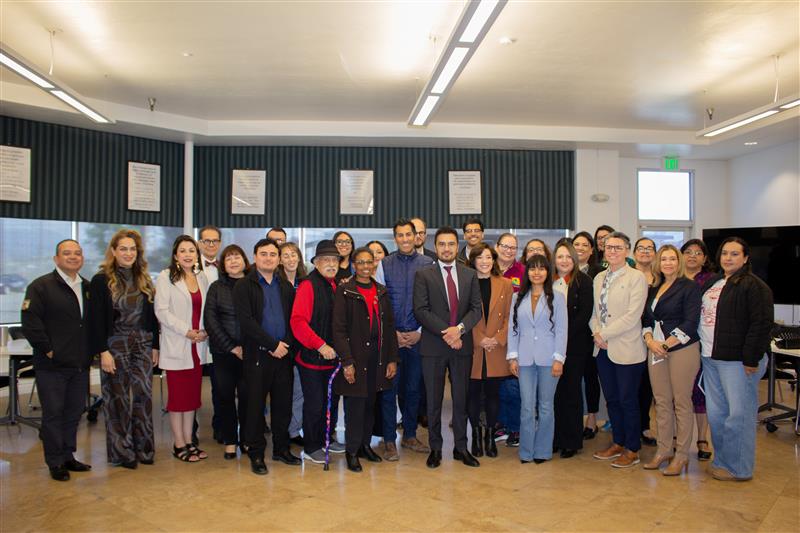
SALINAS — Speaker Robert Rivas brought together Central Coast officials, nonprofit directors and legal-aid leaders last week to discuss how California is protecting immigrant communities and resisting harmful ICE actions under Trump.
The hourslong meeting in Salinas on Friday focused on the real-time impacts of federal policies, including new data on arrests and detentions, and the next phase of California’s response. The event was a continuation of the Speaker’s statewide conversations on immigration, which he has convened since 2025, including a previous community meeting in Salinas last year.
Presenters included UCLA professor Graeme Blair, who is part of a team that tracks federal immigration data; Speaker policy staff focused on immigration and law enforcement issues, who provided an overview of lawmaker action to ensure ICE accountability and mitigate the harmful impacts of Trump’s H.R. 1 spending bill; and the Speaker’s legal counsel, who discussed the ways California is challenging the Trump administration in the courts.
“I've hosted listening sessions on immigration across the state — L.A., the Central Valley, right here in our Central Coast. And what I keep hearing is: People are scared, parents are afraid to take their kids to school, workers are afraid to show up to their jobs, people are skipping the doctor. That's not an immigration policy. That's Trump’s fear campaign. And California is not going to just sit back and let that happen. We’re going to fight,” Speaker Robert Rivas said.
ICE Targets Non-Criminals, Street Arrests Up 1,000%
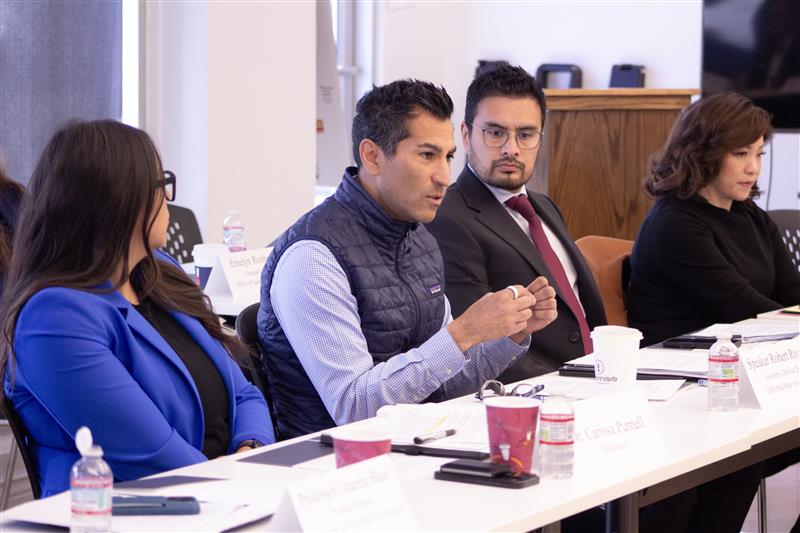
Friday’s community meeting began with a presentation from UCLA political science professor Graeme Blair, who along with colleagues operates the Deportation Data Project: collecting, analyzing and posting U.S. government immigration datasets at DeportationData.org.
Blair said there is nearly zero transparency by Trump’s Department of Homeland Security, which ceased publication of almost all statistics on January 20, 2025, and has a practice of not sharing ICE or DHS policy changes. The professors use Freedom of Information Act requests and publicly available data to build out datasets that inform the project’s findings.
The professor noted that data indicates deportations are increasing under Trump, by 400% since the Biden administration. Street arrests by ICE agents have increased by 1,000%, and arrest of individuals without criminal convictions are up 700%, as well.
Blair’s presentation also demonstrated ways local governments are holding ICE accountable, such as challenging land use for ICE operated facilities.
Blair’s presentation was followed by a legislative update from the Speaker’s policy staff, outlining previous legislation and new bills aimed at expanding legal services, strengthening protections in schools and workplaces, and increasing oversight of immigration enforcement actions.
Dr. Carissa Purnell moderated a community discussion, which underscored the importance of ongoing coordination between state officials and local organizations — particularly in rural and agricultural regions of the Central Coast, where immigrant families make up a significant portion of the workforce and community.
The event made space for local leaders to share on-the-ground perspectives, with a focus on the needs of immigrant families, including concerns around legal services, workplace protections and community safety.
Over the past 15 months, Trump has targeted immigrant communities in California and across the nation, heightening fear and disrupting families, workers, and students.
Throughout this time, Speaker Rivas has traveled across California, bringing together key local leaders on immigration — including previous meetings in the Central Coast, Los Angeles, Fresno and Orange County. At these meetings, the Speaker met with advocates, service providers, and local officials to better understand how Trump’s policies are playing out on the ground.
The discussion is part of Speaker Rivas’ ongoing efforts to engage directly with communities statewide and make sure legislative priorities reflect the lived experiences and needs of immigrant populations.
Legislative Action and California’s Next Phase in Holding Trump Accountable
In response to Trump’s actions, the Assembly has taken quick action to pass legislation that expands access to legal services, protects workers, and ensures families can safely access schools, health care, and other essential services.
Lawmakers have also advanced measures aimed at increasing transparency and accountability in immigration enforcement, including requiring federal agents to identify themselves and limiting operations in locations like schools and hospitals.
This year, several dozen Assembly bills are moving through the legislative process, proposals that would expand legal support, protect due process, and ensure local communities have the tools they need to respond to shifting federal enforcement policies.
Despite a challenging fiscal environment, the Assembly remains committed to protecting vulnerable communities in the 2026-27 budget.
Friday’s community meeting demonstrated the ongoing collaboration between state leaders and local organizations on the front lines. Participants discussed the need for more consistent data sharing, clearer guidance on resources, and even stronger partnerships to respond to evolving federal policies.
The event concluded with a commitment from Speaker Rivas and his team to keep engaging directly with communities in the Central Coast and across California, and to follow-up with organizations on priorities and concerns raised during the discussion.